Should You Caulk That Siding Gap? Check Before You Seal
Not every siding gap should be sealed. Learn what to check before caulking exterior joints on your Richmond or Lower Mainland home.

Not every gap in siding needs caulk. Some joints are meant to be sealed; others are part of the wall’s drainage system. Filling the wrong opening can interfere with the way water is supposed to leave the assembly.
For Richmond and Lower Mainland homeowners, the sensible starting point is to identify the siding and the purpose of the joint before applying a sealant. A neat-looking bead is not proof that a repair is appropriate. Here is what to check when you notice an opening, cracked caulk or staining on an exterior wall.
Why a wall can need both seals and drainage
BC Housing’s cladding maintenance bulletin explains that walls use different strategies to manage rain. A rainscreen assembly includes an air space behind the cladding that supports drainage and drying. The visible siding is therefore only one part of the protection.
This is why “seal every gap” is not a useful maintenance plan. Before altering a joint, have its role confirmed: is it a sealant joint, a drainage exit, a clearance or another detail? The answer depends on the actual wall assembly and product instructions.
Three situations that can look similar from the ground
1. Sealant that has separated or cracked
Photograph the affected area and identify its location: beside a window, around a vent, at a door or at a change in materials. Include a wider photograph so the contractor can see what surrounds it.
BC Housing identifies joints around wall penetrations as important maintenance locations. Its guidance also stresses that surface preparation, joint shape and sealant selection affect repair performance. Ask whether the old material needs removal and what preparation is included, rather than requesting a fresh bead over everything.
2. An open joint between siding pieces
An uncaulked joint is not automatically a defect. In James Hardie’s discussion of siding installation, a fibre-cement butt-joint detail uses flashing behind the joint to direct water out instead of relying on caulk at its face.
That example is not permission to remove sealant from your own siding. It illustrates why the exact product and installation detail matter. Ask the contractor to identify the applicable instructions and explain whether the joint should remain open, be sealed or be repaired in another way.
3. A gap near flashing or a drainage opening
Before filling an opening near the bottom of siding, above a flashing or within window trim, ask where water is intended to exit. Do not close it simply because it looks unfinished. Equally, do not assume every irregular opening was designed that way.
If you do not have installation records, say so. A useful assessment should distinguish what can be identified from the exterior from what remains uncertain behind the finish. Avoid cutting, probing or dismantling siding to investigate it yourself.
Record the problem before changing its appearance
A small set of clear observations is more useful than a guess about the cause. From a safe position, record:
- Which wall is affected and whether the issue is near a window, door, vent or roof connection.
- Whether it is a new change or something visible in older photographs.
- When staining or dampness appears, including whether you noticed it during rain.
- Any previous caulking, painting or siding repairs in that area.
- Whether there are related signs indoors, such as a new stain beside the opening.
Keep original photographs with dates. If water is entering indoors, report that when arranging the assessment instead of describing the job only as cosmetic caulking. Photographs help start the conversation, but they cannot establish the condition of concealed materials.
Cleaning and painting are different jobs from repairing
A stain can prompt a cleaning request, while a crack can disappear visually beneath fresh paint. Neither result, by itself, explains the original problem.
BC Housing cautions against relying on recoating to repair cracks and prevent water entry. For fibre-cement siding, James Hardie’s care guidance also warns that pressure washing can damage the surface and recommends lower-pressure cleaning methods. Follow the instructions for your specific material rather than using the same method on every exterior surface.
Before a painting or cleaning visit, point out questionable joints and ask which need a separate assessment. Keep the agreed repair locations in writing so they are not lost within a general “exterior refresh” scope.
What a useful repair recommendation should explain
Ask the contractor to show you the affected locations and separate confirmed defects from areas requiring investigation. For each proposed repair, you should understand what will be removed, what will be installed and which neighbouring finishes may need attention.
If the recommendation expands from sealant work to siding removal, ask what finding supports that step and how any hidden damage will be documented. Our guide to comparing siding replacement quotes covers the broader scope if replacement becomes part of the discussion.
Can one tube of exterior caulk handle every joint?
Do not choose solely by colour or the word “exterior” on the packaging. Have the repairer confirm compatibility with the materials, preparation requirements and application conditions for the selected product. Ask which locations must remain unsealed.
Get help with a questionable siding detail
Level Up Canadian Roofing & Exteriors provides siding repair and replacement in Richmond and the Lower Mainland. Request a free estimate or call 604-239-5656. Include your property address, photographs and a description of what changed.
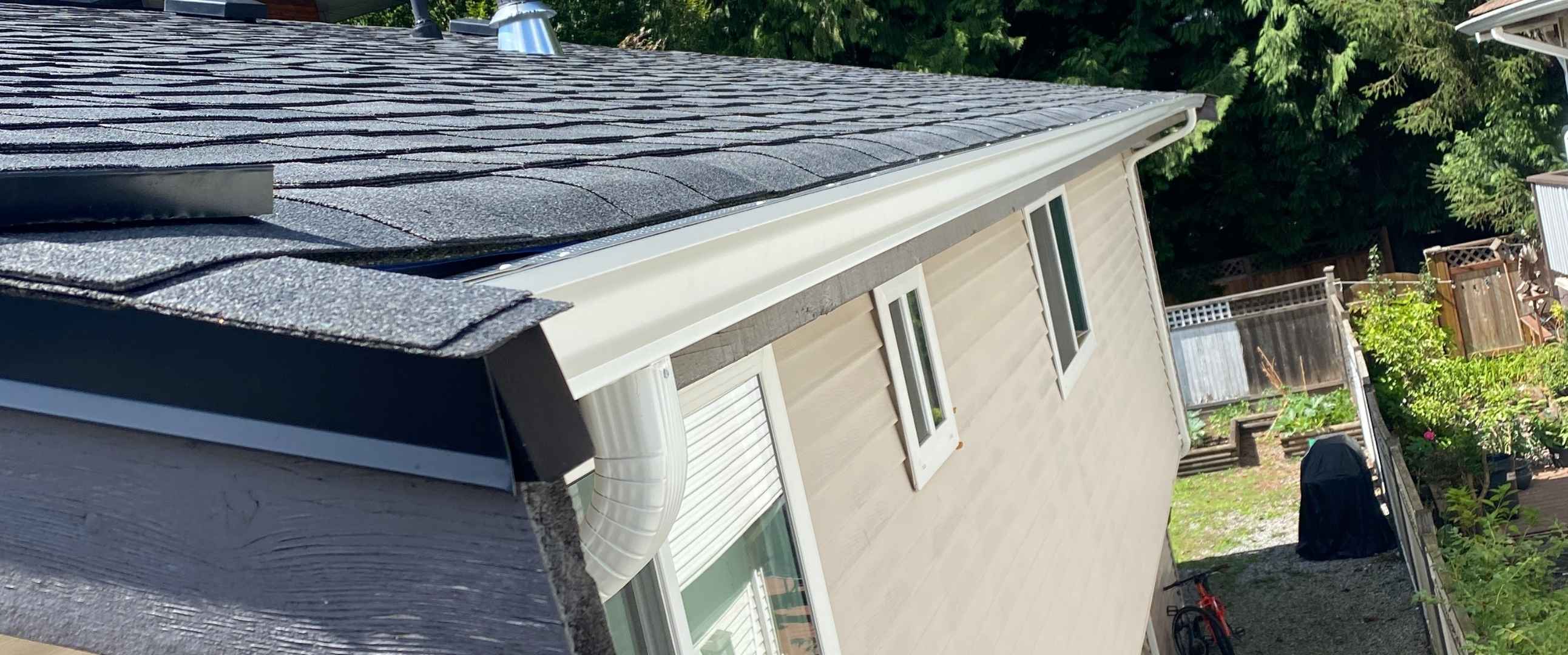
Featured photo: a worker fastening exterior trim beside horizontal siding. Illustrative image supplied for this article.