Does Your Roof Need New Plywood? A Homeowner’s Guide
Planning a roof replacement in Richmond or the Lower Mainland? Learn when plywood needs replacing and how to prepare for hidden deck repairs.

Does a new roof mean replacing all the plywood underneath? Not necessarily. Some homes need only isolated deck repairs, while others need a broader upgrade before new shingles can be installed. The important distinction is between a roof covering that has worn out and a supporting surface that is damaged or unsuitable.
For Richmond and Lower Mainland homeowners planning a roof replacement, this is worth discussing before work begins. A clear plan for assessing the deck helps you understand the recommendation and make decisions when the old roof comes off.
What is the roof deck?
The deck, also called sheathing, is the wood surface beneath the underlayment and roof covering. Many homes use plywood or oriented strand board (OSB); older roofs may have boards instead. It is a separate component from the rafters or trusses supporting it.
New shingles need a suitable foundation. IKO’s roof preparation guidance calls for a flat, dry, clean and properly secured deck, with damaged, warped or delaminated sheathing replaced before installation. A new waterproofing layer does not restore the strength of deteriorated wood.
What can an inspection tell you before tear-off?
An exterior inspection can identify concerns that deserve closer investigation. Where safe access is available, an attic inspection may also reveal staining or visible damage on the underside. Tell your roofer about previous leaks, repairs and any areas that have been difficult to keep dry.
However, shingles and underlayment cover the top of the deck. Insulation, low clearances and finished ceilings can limit the view from below. A roof measurement report can help calculate material quantities, but it cannot confirm the condition of concealed plywood.
Ask the estimator to distinguish between what they have seen, what they suspect and what will be checked after removal. “We will inspect the deck during tear-off” should come with an explanation of how findings will be documented and discussed.
When is replacing a section reasonable?
IKO’s guide to roof sheathing damage explains that repeated moisture exposure from leaks or condensation can lead to decay. Softness, crumbling wood, distortion and other changes can warrant closer assessment. A photograph of a dark patch alone does not establish how much material must come out.
If deterioration is confined to a limited area and the surrounding deck is suitable, the contractor may recommend replacing affected sections. Ask for photographs showing the location and extent of the problem, plus an explanation of how the repair will connect to sound material.
Damage to rafters or trusses is a different issue from replacing a sheet of plywood. If supporting members are affected, ask whether a separate assessment or repair design is needed before the roofing work continues.
Why might a larger deck upgrade be proposed?
Widespread deterioration is one reason. Another is a change in roofing system, particularly when converting an older cedar roof to asphalt shingles. The existing deck arrangement needs to be assessed for the selected product; the fact that it supported the previous covering does not settle that question.
Request a written description of the proposed assembly. Will existing boards remain with new sheathing installed over them, or will material be removed and replaced? Why is that approach appropriate for this roof? Panel selection, support and fastening should follow the applicable product instructions and requirements for the building.
Our West Vancouver cedar-to-asphalt conversion is an example of a project that included new plywood. It illustrates one project’s scope, rather than a rule that every roof needs the same work.
Address the moisture source as well as the wood
Replacing damaged sheathing should be paired with investigating why it deteriorated. Ask what evidence points to a roof leak, an attic moisture issue or another cause, and which parts of the proposed work address it.
Natural Resources Canada’s guidance on roofs and attics treats air sealing and ventilation as related parts of moisture control. Adding vents alone is not a complete diagnosis. If indoor air leakage or insulation details need attention, ask whether an insulation or building enclosure specialist should be involved.
Agree on the decision process before work starts
Ask for these details in your roof estimate:
- Included work: any planned sheathing replacement and the specified material.
- Additional work: how unexpected deck repairs are measured and priced, including labour and disposal.
- Evidence: photographs and an explanation before concealed damage is covered again.
- Approval: who authorizes extra work and how the revised amount is recorded.
- Coordination: who to contact during tear-off and how the roof will be protected if decisions or repairs take time.
Keep these terms with the estimate so both you and the contractor have the same reference during the job.
Common questions
Should every sheet be replaced because the roof is old?
Age alone does not establish the scope. Ask the contractor to explain the deck’s condition and suitability for the new roofing system.
Can I check the plywood myself?
Do not climb onto the roof or lift shingles to test it. Share existing records and safely taken photographs, and arrange a professional assessment.
Plan your roof replacement with a clear scope
Considering roof replacement or repairs in Richmond or the Lower Mainland? Request a free estimate from Level Up Canadian Roofing & Exteriors, or call 604-239-5656. Include your property address, existing roof type and any known leak history so we can discuss the appropriate next step.
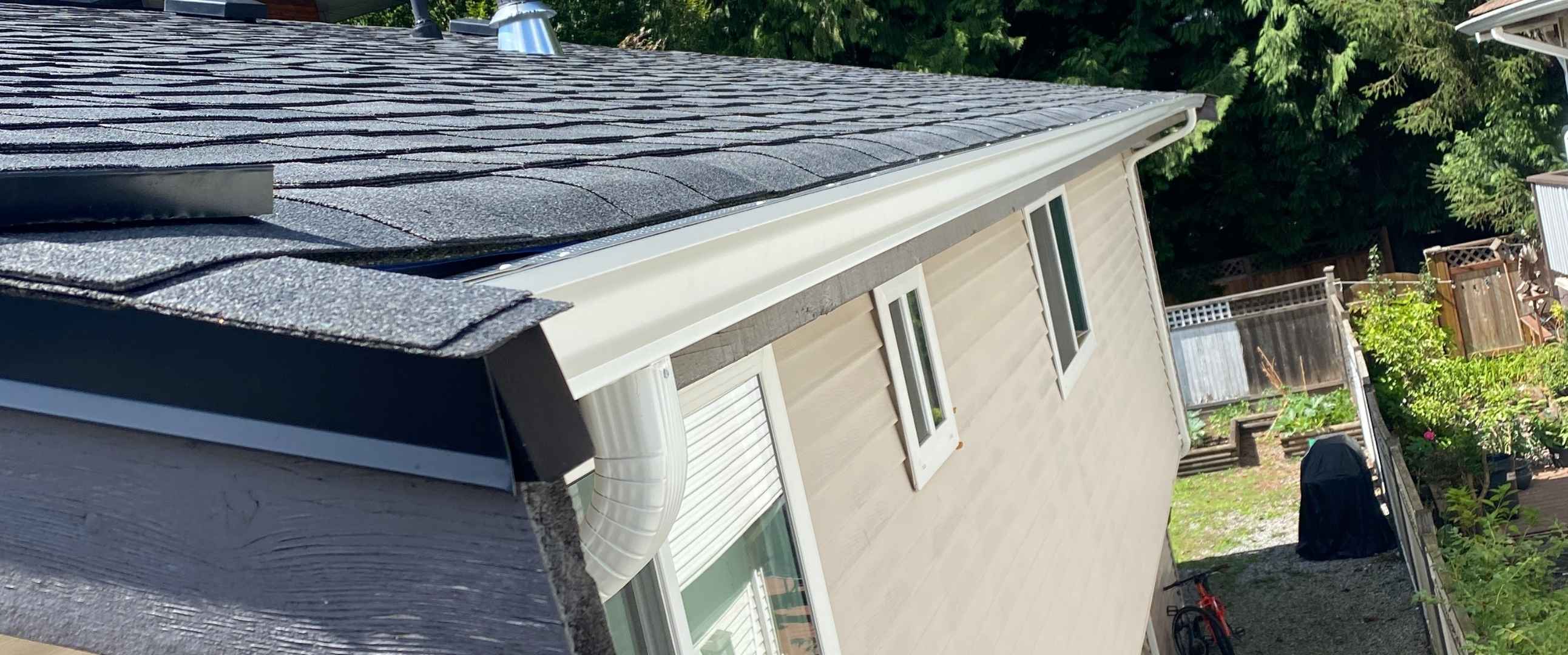
Featured photo: plywood sheathing and blue roof underlayment during our West Vancouver roof replacement project.